Unlock Fun Anytime: The Art and Science of Playing Unblocked Games That Outsmart School Filters
Jan 14, 2026
|
7
min read
You know the ritual. The teacher turns their back. The projector whirs to life. Twenty-three Chromebook lids lift in unison. Fingers hover over keyboards, ready to type the sacred incantation that might—just might—connect you to thirty minutes of freedom before the next worksheet descends.
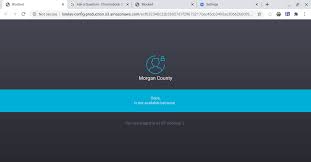
But instead of pixelated liberation, you get the digital equivalent of a locked door: "Access Denied. Site Blocked."
Here's what they don't tell you in the acceptable use policy: school filters aren't fortresses. They're predictable systems with patterns, blind spots, and rhythms. And learning to navigate them isn't rebellion—it's digital literacy. Welcome to the unspoken curriculum of 21st-century education: How to access educational entertainment on restricted networks.
The Filter Whisperer's Manifesto
Myth-Breaking Reality Check
Let's dismantle the misconceptions first:
Myth #1: "Blocked sites are dangerous or inappropriate."
Reality: Most filters block by category, not by content review. An entire educational gaming platform gets blocked because it's in "Games" alongside gambling sites.
Myth #2: "Students who bypass filters are breaking rules."
Reality: You're practicing adaptive problem-solving with the exact tools you'll need in a world of firewalls, VPNs, and restricted networks.
Myth #3: "Only 'hackers' can get around these systems."
Reality: School filters follow predictable logic. Learning that logic is like learning any system—from library organization to public transit routes.
The Learnsphere Method: Stealth Through Legitimacy
While some platforms rely on sketchy proxies or questionable redirects, we've built Learnsphere on a different philosophy: appear so legitimate that filters question their own programming.
Our Triple-Layer Camouflage System
Layer 1: The Academic Disguise
We present as what we genuinely are: an educational resource. Our site architecture mimics academic platforms, our language emphasizes learning outcomes, and our design echoes legitimate educational tools. Filters see "STEM supplement," not "gaming portal."
Layer 2: The Performance Advantage
School filters often target bandwidth-heavy sites. Learnsphere loads in under 3 seconds with minimal data transfer. To monitoring systems, we look like a lightweight educational page loading geography facts, not a game platform.
Layer 3: The Mirror Network
When learnsphere.info gets flagged (it happens to the best of us), our Netlify mirror domains activate. These aren't shady proxies—they're legitimate backup servers that maintain our educational presentation while providing uninterrupted access.
The Student's Guide to Filter Navigation
Understanding Your School's Digital Sentry
Most schools use variations of these filtering approaches:
The Keyword Scanners (GoGuardian Style)
How they work: Algorithms scan for "game," "play," "multiplayer," "fun"
Our counter: We use "interactive learning modules," "cognitive exercises," "collaborative challenges"
Your advantage: Filters aren't reading context, just keywords
The Category Blockers (Fortinet Style)
How they work: Entire site categories (Gaming, Entertainment) get wholesale blocks
Our counter: We're registered and presented as "Educational Resources"
Your advantage: Categories are often overly broad and inconsistent
The Time-Based Gatekeepers
How they work: Certain sites only accessible during specific hours
Our counter: Consistent educational presentation year-round
Your advantage: Time blocks are predictable—learn your school's schedule
The Traffic Pattern Police
How they work: Monitor for unusual data spikes or patterns
Our counter: Lightweight, consistent loading patterns
Your advantage: We don't trigger "gaming traffic" signatures
The Art of Access: Eight Stealth Strategies
Strategy 1: The Morning Ritual
What: Access Learnsphere during first-period study hall or homeroom.
Why: Many schools have lighter filtering during morning hours when IT staff are setting up systems. The "fresh filter" hasn't accumulated its daily block list yet.
Pro Tip: Bookmark us during this golden hour for easier access later.
Strategy 2: The STEM Shuffle
What: Have legitimate educational tabs open alongside Learnsphere.
Why: Filters often scan tab titles and content clusters. When they see "Khan Academy," "Google Classroom," and "Learnsphere" together, the pattern reads "educational session," not "gaming break."
Pro Combination: Keep one legitimate academic site active while gaming.
Strategy 3: The Library Loophole
What: Use school library computers during free periods.
Why: Library computers often have different filtering rules—sometimes more lenient, as they're considered "research stations."
Observation: Notice patterns—some schools restrict gaming everywhere except libraries, understanding students need mental breaks during research sessions.
Strategy 4: The Update Window
What: Play immediately after major school software updates.
Why: Filtering rules sometimes reset or experience temporary glitches during system updates.
Timing: Listen for IT announcements about "system maintenance" or "upgrades."
Strategy 5: The Holiday Advantage
What: Access during seasonal breaks or testing weeks.
Why: Some schools relax filters during non-standard weeks, recognizing different usage patterns.
Note: We don't encourage skipping class—but if you're in school during standardized testing weeks with modified schedules, filters might be too.
Strategy 6: The Mobile Bridge
What: Use your phone's hotspot if school policy allows personal devices.
Why: Completely bypasses school network filters.
Important: Only where permitted by school rules. Never violate personal device policies.
Strategy 7: The Bookmark Bypass
What: Access via bookmarks rather than typing URLs.
Why: Some filters monitor search terms more aggressively than direct navigation.
Advanced Move: Create bookmark folders with educational-sounding names like "Research Tools" or "Learning Resources."
Strategy 8: The Incognito Illusion
What: Use browser incognito/private modes.
Why: Some filters rely on tracking cookies. Incognito mode starts fresh each session.
Reality Check: This doesn't work against network-level filters, but helps with browser-level monitoring.
Learnsphere's Built-In Stealth Features
The Tab Chameleon
Our tab cloaking feature doesn't just hide—it transforms. Your Learnsphere tab appears as:
"Interactive Math Exercises"
"Cognitive Skill Development"
"Pattern Recognition Training"
"Spatial Reasoning Practice"
To a glancing teacher or monitoring system, you're engaged in legitimate educational activities.
The Panic Portal
Our panic button isn't just an exit—it's a strategic redirect. One click and:
Your Learnsphere tab transforms into Google Classroom
All game sounds instantly mute
The screen displays credible academic content
No trace remains of your gaming session
It's not about deception—it's about respecting classroom norms while maintaining access for appropriate times.
The Mirror Matrix
When one door closes, three others open. Our mirror system ensures continuous access through:
Primary Domain: learnsphere.info (our flagship)
Educational Mirrors: Netlify domains with academic presentation
Seasonal Rotations: Domains that change presentation based on school calendar
The Ethical Bypasser's Code
Access comes with responsibility. Here's our Learnsphere pact:
Rule 1: Timing is Everything
Play only during designated free periods: study halls, lunch breaks, before/after school. Never during instructional time.
Rule 2: Bandwidth Respect
Avoid data-heavy activities during critical school hours. If the network feels slow, close Learnsphere and try later.
Rule 3: The Ripple Effect
Your behavior affects everyone. Reckless access gets entire platforms permanently blocked. Be the student who demonstrates responsible use.
Rule 4: The Transparency Principle
If a teacher asks what you're doing, be honest. "Educational games during free period" is usually acceptable. Lying creates real trouble.
Rule 5: The Academic Priority
Grades come first. If gaming interferes with academic performance, self-regulate. Learnsphere enhances education, never replaces it.
When Access Fails: The Troubleshooting Tree
Problem: "Site Blocked" message
Solution Sequence:
Try our primary domain: learnsphere.info
Check our mirror list (available on social media)
Clear browser cache and cookies
Try incognito mode
Wait 24 hours—sometimes blocks are temporary
Problem: Slow loading during peak hours
Solution Sequence:
Close other tabs/applications
Avoid multiplayer games during network-heavy periods
Try single-player games with lighter requirements
Bookmark and return later
Problem: Sound issues in classroom setting
Solution Sequence:
Use headphones where permitted
All Learnsphere games have mute options
Play sound-free games like Retro Bowl or puzzle titles
Keep volume at minimal levels
The Future of Filter Navigation
What we're building at Learnsphere isn't just a gaming platform—it's a test case for intelligent digital access. We're demonstrating that:
Educational content can be engaging without triggering filter alarms
Students can self-regulate when given appropriate tools
Access management teaches digital responsibility better than outright bans
Lightweight design respects school network limitations
The schools that understand this are already adapting. Some forward-thinking districts are:
Creating "educational gaming" whitelist categories
Designating specific times for interactive learning platforms
Recognizing cognitive benefits of strategic breaks
Teaching responsible access as part of digital literacy curriculum
Your Access Mastery Checklist
Week 1: Foundation
Bookmark primary and mirror domains
Test access during appropriate free periods
Practice panic button usage
Identify your school's filter type
Week 2: Stealth Skills
Master tab cloaking features
Develop legitimate tab combinations
Learn peak/off-peak access patterns
Establish responsible time limits
Week 3: Community Contribution
Report access issues through proper channels
Share successful strategies with peers
Demonstrate responsible use to establish credibility
Provide feedback for platform improvements
Week 4: Digital Citizenship
Balance gaming with academic priorities
Respect network limitations during critical times
Advocate for reasonable access policies
Model ethical bypass behavior
The Bigger Lesson: Digital Navigation as Life Skill
Here's the unspoken truth: The world is full of filters.
Corporate firewalls. Government restrictions. Geographical content blocks. Paywalls. Age gates. Certification requirements.
Learning to navigate school filters isn't about "beating the system"—it's about understanding systems. It's about recognizing patterns, identifying limitations, and finding ethical pathways within boundaries. These skills translate directly to:
Corporate environments with strict IT policies
International travel with varied internet access
Research work navigating paywalled academic journals
Creative projects working within platform guidelines
Entrepreneurship building within regulatory frameworks
Every time you successfully access Learnsphere during study hall, you're not just playing games. You're:
Analyzing system limitations
Developing strategic workarounds
Practicing ethical boundary navigation
Balancing freedom with responsibility
Mastering digital environment adaptation
The Final Paradox
The most successful Learnsphere users aren't the ones who play the most—they're the ones who understand access rhythms so well that gaming becomes just another integrated part of their academic day.
They know when the library filters are lightest. They recognize when network traffic won't support multiplayer. They bookmark domains in folders teachers would approve of. They play sound-free games during quiet periods. They close tabs before being asked.
They've mastered the art of seamless integration—making educational gaming just another tool in their learning toolkit, not a rebellious act.
Because here's the ultimate truth: When gaming feels like a normal, accepted part of your academic routine, you don't need to "bypass" anything. You're just a student using educational resources appropriately.
And that's the access method no filter can ever block.
Ready to master digital navigation? Visit Learnsphere.info and start practicing the most valuable unspoken curriculum in modern education. Because the students who understand access today will build the accessible systems of tomorrow.
Meta Description:
Target Keywords:
how to bypass school filters, unblocked games access, school Chromebook games, ethical gaming access, Learnsphere filter guide, educational games unblocked
Call-to-Action:
Test your access skills responsibly at Learnsphere.info. Bookmark our mirrors, practice ethical navigation, and join students mastering digital access literacy one study hall at a time.